Traffic Topping, a relatively new technique in the digital marketing world, allows you to boost your website's visibility and organic position. This strategy involves submitting your site's URL to various platforms, effectively creating a network of backlinks that signal authority to search engines like Google. The procedure is generally straightforward to learn, though mastering the nuances takes time and dedication; it’s not just about submitting to any old location. Potential upsides include improved SEO, a greater number of referrals from relevant sites – driving targeted audience – and increased brand awareness. However, be aware that only participating in reputable portals is crucial to avoid penalties; submitting to low-quality or spammy options can actually damage your website's overall standing.
Understanding Traffic Topping Membranes for Waterproofing
Traffic roofing membranes are essential components in achieving robust waterproofing, particularly for zones subjected to regular vehicular or pedestrian traffic. These specialized layers offer a resilient shield against water penetration, protecting the underlying structure and preventing costly damage. They’re frequently employed on parking garages , balconies, walkways, and other areas where waterproofing must withstand significant mechanical stress and continuous exposure to the elements.
- They provide a level surface for trafficable use.
- The membrane's elasticity allows it to accommodate movement without cracking or failing.
- Selection of the correct type – typically either modified bitumen, polyurethane, or PVC – depends on the specific project’s requirements, including expected load and temperature fluctuations.
Protect Your Roof with a Durable Traffic Topping System
Ensure your building's roof is protected from harsh weather and foot movement with a high-quality traffic topping application. These strong surfaces are designed to withstand heavy weight, preventing wear and extending the roof’s lifespan. A properly installed traffic topping provides a stable walking area, ideal for rooftops used for HVAC equipment or pedestrian access, ultimately saving you from costly replacements down the line.
Foot Membrane vs. Standard Damp Resistance: Which is Better?
The discussion surrounding vehicular surfacing versus traditional waterproofing methods frequently arises in underground structures . Traffic toppings offer a robust, resilient solution directly exposed to vehicle loads and environmental elements; they essentially become the structural floor. However, they demand meticulous installation – often requiring specialized expertise and potentially higher upfront costs. Conversely, traditional waterproofing systems, like sheet membranes , provide a protective layer beneath the flooring but are reliant on a structurally sound base and can be vulnerable to damage from impact or penetration if not perfectly implemented. Ultimately, the "best" approach copyrights on factors such as structural design, budget limitations, anticipated traffic volume, and overall project specifications. A thorough assessment by experienced professionals is crucial for selecting the most appropriate and cost-effective solution that guarantees long-term performance and avoids costly repairs down the line.
The Ultimate Guide to Traffic Topping Installation and Maintenance
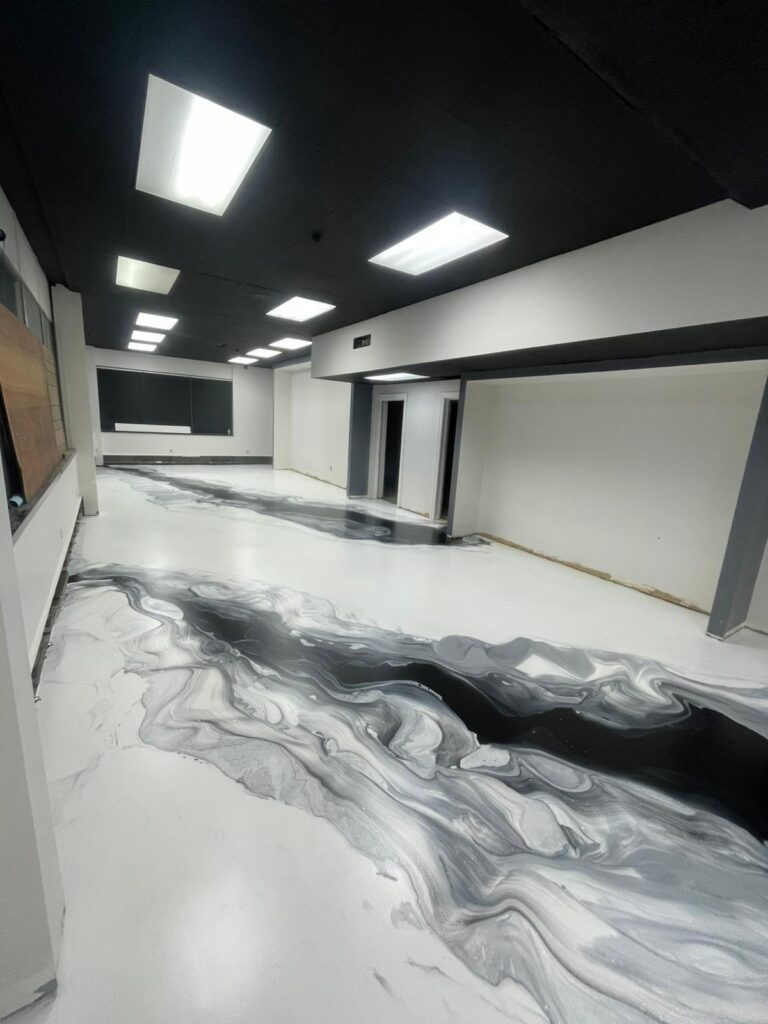
Proper placement of your traffic toppings is essential for their function, ensuring both driver well-being and road lifespan . This document details the best procedures for not only the initial erection process, including site preparation , base material consolidation , and the final surfacing layering , but also outlines a comprehensive maintenance program. Regular checks for cracks, deformation, or any other forms of wear are key to preventing more serious issues. We’ll cover repair techniques , such as patching potholes and resurfacing worn areas, so you can keep your traffic calming measures in top condition for years to come. Proper marking and signage also contribute significantly to driver understanding and overall floor paint epoxy colors system reliability . Ignoring these details could lead to costly corrections and potentially jeopardize road user safety.
Choosing the Right Traffic Topping Membrane: Materials & Performance
Selecting the ideal traffic topping membrane is essential for lasting pavement function . Various materials are on offer , each offering specific characteristics. Asphalt membranes provide excellent waterproofing but may be susceptible to UV degradation, requiring supplementary protection. Polymer-modified membranes, such as those incorporating elastomers , demonstrate improved flexibility and crack resistance. Bituminous membranes are typically employed for their particular cost-effectiveness, while custom polyurethane systems offer the greatest levels of chemical resistance and complete durability, though at a greater initial expense. Ultimately , understanding these material qualities and how they affect real-world performance is necessary to making the suitable selection.